Source Dredging Robot for River Cleaning, Septic Tanks, and Sludge Removal
Compare 30 dredging robot models from verified Chinese manufacturers. These units feature crawler drives, remote control operation, and high-efficiency pumping for river silt, septic tank, and industrial sludge cleaning applications; compare the available evidence and request quotations based on your requirements.
Key considerations
Products List


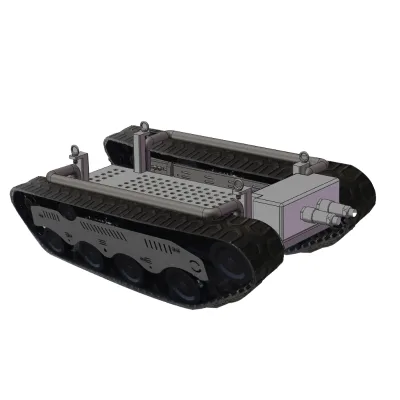
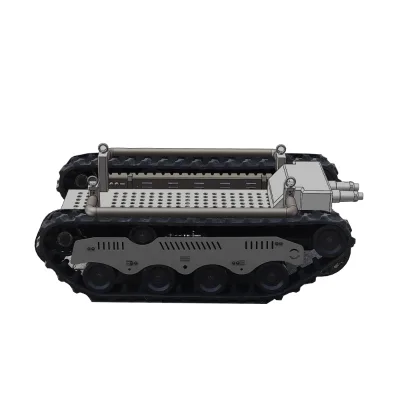
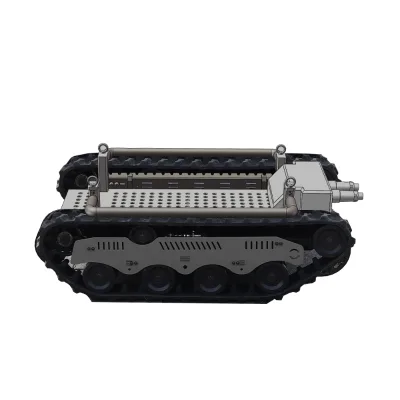
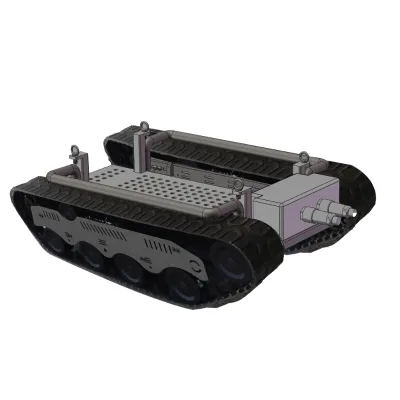
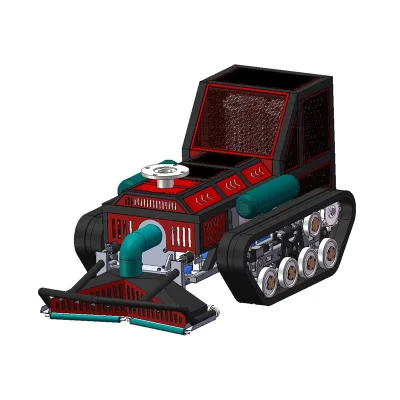
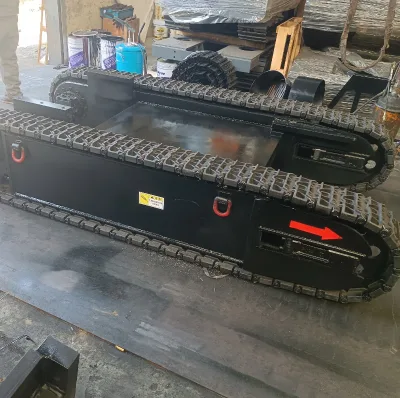
Underwater Dredging Robot for River Desilting and Sand Dredging Operations
$9500.00 - $15500.00
Moq: 1





Comprehensive Sourcing Guide
Dredging Robot Sourcing Guide
A dredging robot is a remotely operated, crawler-based machine designed to remove silt, sludge, and sediment from environments that are hazardous or impractical for manual labor, such as septic tanks, waterways, pipes, and underwater sites. For B2B buyers in machinery repair shops and manufacturing plants, these machines replace confined-space human entry with remote-controlled operation, which reduces both safety exposure and downtime. Before committing to a purchase, buyers should treat the dredging robot category as an engineered system rather than a commodity, since chassis design, pumping capacity, and control range all interact to determine real-world output.
This guide is built around evidence-disciplined procurement practice. It draws only on attributes observed in actual product listings and trusted category knowledge, so buyers can use it to structure supplier conversations without relying on unverifiable claims. The sections below cover product scope, technical verification, compliance documentation, commercial terms, supplier qualification, and long-term ownership checks. Each section identifies a specific decision point and explains what a buyer should confirm with a supplier before signing a contract, with numerical values cited only where they appear in observed listing data.
Product Scope and Observed Listing Signals
Observed listings in this category span several related machine types: tracked underwater dredging robots, septic tank dredging machines, sludge and garbage cleaning units, and high-pressure cleaner configurations in both hot-water and cold-water variants. Model identifiers such as PLE-600 appear in the data, and listings commonly describe applications including river silt cleaning, waterway and pipe cleaning, and industrial sludge removal. A 30-listing sample shows a listed price range of roughly $5,000 to $120,000, which reflects genuine differences in scale, power, and capability rather than simple pricing noise. Buyers should therefore begin by defining which environment and material they must handle.
Several consistent signals help buyers interpret listings. Customization is marked as available, core components frequently listed include engines, gears, pumps, PLCs, bearings, and pressure vessels, and the applicable industries are machinery repair shops and manufacturing plants. Most listings advertise remote control operation, crawler-type travel, and high operating efficiency as unique selling points. One listing cites an efficiency of 300 posts per day, while others specify work efficiency of 0–40 m/min. Treat these attributes as observations about individual listings, not guarantees across the category, and verify each against your own duty cycle.
Technical Specifications to Verify
Chassis and mobility specifications deserve first scrutiny, because a dredging robot that cannot traverse the worksurface cannot perform at all. Observed listings describe crawler-type travel and crawler crawling modes, which suit soft, uneven, or submerged terrain, and cite a sliding route of 200mm. Buyers should confirm crawler dimensions, ground clearance, and climbing ability relative to the actual tank, channel, or riverbed profile. Mast route is listed at 5000mm in one configuration; verify whether that stroke matches your access depth or whether a custom mast is required.
Throughput and power ratings form the second verification cluster. Observed data includes maximum capacity of 110 m³/h, maximum working depth of 35m, cleaning width of 420mm, maximum solid diameter of 50mm, rated power of 45kW, alternative power ratings of 15kW and 22kW, maximum flow of 100L/min, and IP68 protection level. These figures come from individual listings, so request manufacturer datasheets confirming each value under real operating conditions rather than nominal lab conditions. Also confirm whether the pump is supplied or chosen from accessories, since pump selection materially affects solids handling and total cost.
Compliance and Safety Documentation
Remote operation is the central safety feature of a dredging robot, replacing human entry into confined, contaminated, or submerged spaces. Buyers should request documentation covering the remote control system, including control distance—observed at 300m in one listing—signal fail-safe behavior on link loss, and emergency-stop provisions. Because these machines work in wet and submerged environments, ingress protection claims such as the observed IP68 rating should be backed by test certificates from an accredited laboratory, not merely stated in a listing. Ask how waterproofing is verified after maintenance or seal replacement.
Certification status requires careful, evidence-based handling. Some listings reference CE, ISO9001, or REACH, but buyers should not assume any given machine holds these; instead, request current certificates, verify scope and issuing body, and match certificate numbers to the exact model quoted. For electrical safety, confirm the protection of motors, controllers, and cabling for your supply voltage and frequency. For pressure-washer variants, request documentation on pressure vessel construction and safety valve settings. Finally, ask for an operating and maintenance manual in your working language, including lockout procedures and recommended personal protective equipment for operators.
Cost Drivers and Commercial Terms
The observed price span of roughly $5,000 to $120,000 signals that configuration choices dominate cost. Key drivers include drive power (observed ratings range from 15kW to 45kW), pumping and solids-handling capacity, maximum working depth, protection level, hot-water versus cold-water high-pressure systems, and degree of customization. Because customization is listed as available, expect base prices to rise with non-standard mast lengths, special crawler tracks, alternative pump packages, or extended remote-control capability. Define your minimum viable specification first, then price optional features individually rather than accepting a fully loaded standard build.
Commercial terms should be negotiated as deliberately as technical specifications. All observed listings show a minimum order quantity of one, which suits buyers testing a first unit or replacing a single asset, but confirm whether unit pricing changes at higher volumes. Wooden box packing is the listed packing method; verify it is seaworthy if shipping internationally, and clarify whether shipping, insurance, and import duties are included. Ask what the quoted price covers—spares, commissioning, training, documentation—and request a written warranty specifying coverage duration, excluded wear parts such as pumps and seals, and the claims process.
Supplier Qualification and Quality Control
Supplier qualification should start with capability evidence rather than marketing claims. Since customization is offered and core components include engines, gears, pumps, PLCs, bearings, and pressure vessels, ask prospective suppliers to describe their in-house engineering capacity: which components they manufacture, which they source, and how they manage subcontracted quality. A supplier listing an origin of China Shandong should be able to provide registered business documentation, factory details, and references from buyers in machinery repair or manufacturing settings. Prefer suppliers who answer specification questions with datasheets rather than restating listing text.
Quality control verification should follow a defined sequence. Request a factory inspection report or arrange a third-party pre-shipment inspection covering chassis fabrication, weld quality, motor and pump installation, and waterproofing integrity. Ask for a factory acceptance test protocol—ideally a wet test demonstrating crawling, remote control response within the stated 300m range, and pumping performance—witnessed before shipment. Request the planned packing details against the listed wooden box standard, including fixturing to protect crawler tracks and masts in transit. Agree in writing on how nonconformities found at inspection will be remedied and who bears rework cost.
Long-Term Procurement Checks
A dredging robot is a long-service asset exposed to abrasive silt, corrosive sludge, and continuous water immersion, so lifecycle support matters as much as purchase price. Before ordering, confirm spare parts availability for wear items—crawler tracks, pump seals, nozzles (one listing specifies a round water column nozzle), gears, and hoses—and whether the supplier stocks them or manufactures to order. Clarify expected service intervals from the maintenance manual, the availability of remote technical support across time zones, and whether software or firmware for the remote control system can be updated in the field.
Plan performance monitoring into the procurement contract. Where a listing cites work efficiency of 0–40 m/min or capacity of 110 m³/h, agree on acceptance criteria tied to your actual material—solid diameter up to 50mm and working depth to 35m are observed limits, but your site may be less demanding. Establish a warranty period with clear remedies, a commissioning period during which defects are corrected at supplier cost, and a defined process for ordering customized replacements. Finally, document site-specific operating procedures so that operator turnover does not erode the safety benefits of remote-controlled dredging.
FAQs
What is the maximum working depth of this dredging robot?
The maximum working depth is 35 meters for this tracked chassis underwater dredging robo. It features a mast route of 5000mm and operates with remote control capabilities up to 300 meters distance for effective sludge cleaning in industrial applications.
How is the dredging robot powered and what is its efficiency?
This machine uses a motor drive with rated power options of 15kw, 22kw, or 45kw depending on the model. It achieves an efficiency of 300 posts per day and can clean waterways at a speed of 0 to 40 meters per minute.
Can the dredging robot be customized for specific industrial needs?
Yes, the product offers customized options including specific models like PLE-600 or PLE. Buyers can select core components such as engines, gears, and pumps, and choose nozzle types like round water column nozzles to match their unique septic tank or river silt cleaning requirements.
What is the travel mode and operating mode of the machine?
The machine utilizes a crawler drive type with a travel mode of crawler crawling for stable movement. It operates via remote control, allowing operators to manage the tracked chassis underwater dredging robo from a safe distance while performing sludge and garbage cleaning tasks.
What are the core components included in this dredging machine?
Core components include the engine, gear, pump, PLC, bearing, and pressure vessel. These parts ensure high operating efficiency for the industrial application, supporting functions like cleaning waterways and pipes with a maximum solid diameter capacity of 50mm and flow up to 100 liters per minute.
How is the product packed and what is its origin?
The product is packed in a wooden box or wood box for secure transport. It originates from China, specifically Shandong, and is available as a new condition unit with a customized standard, making it suitable for machinery repair shops and manufacturing plants globally.